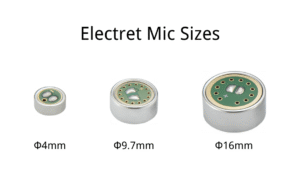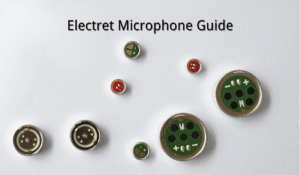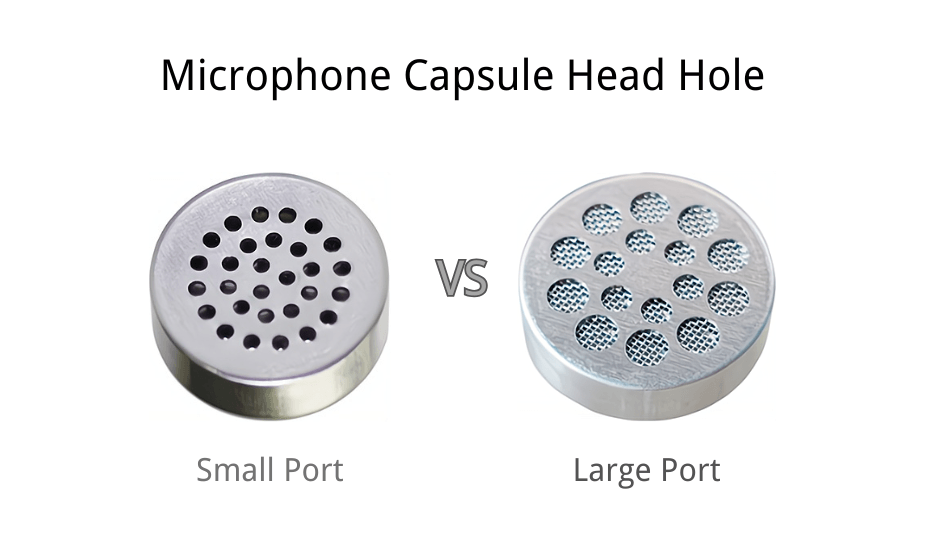
The head hole in an electret microphone capsule is more than just a structural feature—it is a carefully designed acoustic element. Its key functions include sound wave guidance, frequency response tuning, directivity control, pressure equalization, and protection. Engineering decisions on head hole design involve trade-offs between performance, durability, and environmental robustness.
1. Sound Wave Guidance
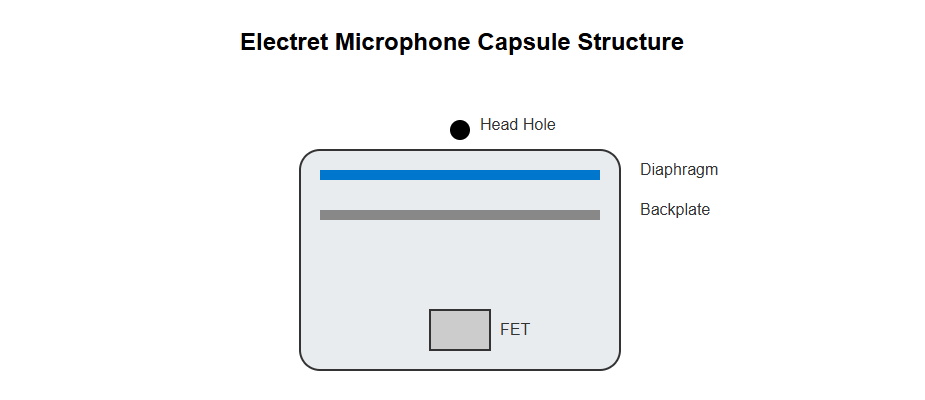
- Core Function: Provides the acoustic path for sound to reach the diaphragm, enabling efficient acoustic-to-electric conversion.
- Engineering Insight: Designers balance hole size to maximize energy transfer while minimizing susceptibility to dust or moisture intrusion.
2. Frequency Response Tuning
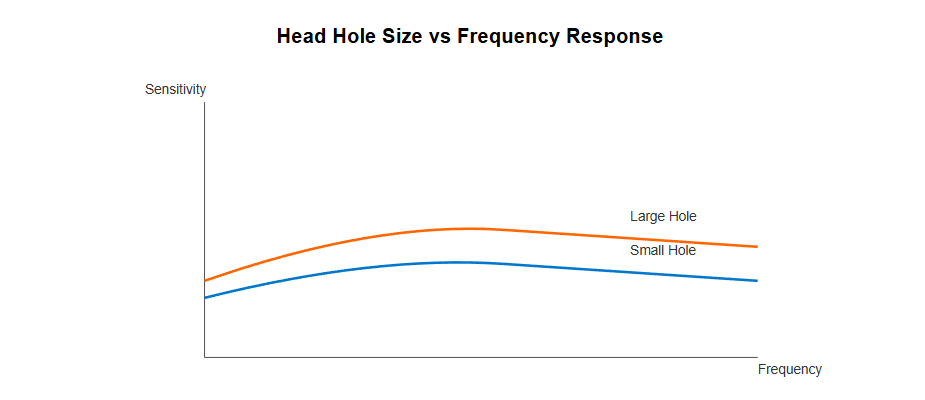
- Acoustic Filtering: Hole geometry affects acoustic impedance, shaping the microphone’s frequency response.
- Engineering Insight: Small or multi-hole designs damp high-frequency noise, which is useful in portable devices, but may slightly alter clarity at very high frequencies. Trade-offs depend on device priorities.
3. Directivity Control
- Multi-Hole Interference: Phase differences from multiple holes allow specific polar patterns (omnidirectional, cardioid, etc.) to be achieved.
- Engineering Insight: Multi-hole layouts improve directional sensitivity but increase manufacturing complexity. Designers must weigh directivity vs. simplicity.
4. Pressure Equalization
- Internal-External Balance: Holes allow air pressure to equalize, preventing diaphragm deformation caused by temperature or altitude changes.
- Engineering Insight: Especially critical for devices used outdoors or in aviation. Designers balance responsiveness with risk of environmental contamination.
5. Physical Protection and Dust Prevention
- Barrier Function: Dust screens or hydrophobic membranes prevent contamination of the diaphragm and electret layer.
- Engineering Insight: Protective layers enhance durability but may slightly affect acoustic transparency. Materials must balance protection with minimal sound impact.

Summary Table
| Function | Principle | Engineering Insight |
|---|---|---|
| Sound Wave Guidance | Provides acoustic path to diaphragm | Balance hole size for energy transfer vs. environmental protection |
| Frequency Response Tuning | Acoustic impedance modulation | Damp high-frequency noise while preserving clarity; trade-offs depend on device type |
| Directivity Control | Phase differences from multiple holes shape polar pattern | Multi-hole layouts improve directionality but add manufacturing complexity |
| Pressure Equalization | Equalizes internal and external air pressure | Critical for variable environments; balance responsiveness and contamination risk |
| Protection & Dust Prevention | Physical barrier and impact dispersion | Protective layers improve durability but may slightly affect acoustic transparency |
In conclusion, the head hole in electret microphone capsules is a key element at the intersection of acoustics, protection, and practical engineering trade-offs. Understanding these considerations allows designers to optimize microphones for a wide range of applications, from mobile devices to professional audio equipment. To explore how capsule diameter affects diaphragm size and pickup hole layout, refer to our Electret Microphone Sizes Guide.