In worship environments, clear audio reproduction is essential for both speech intelligibility and musical fidelity. From sermon transmission to choir capture, diverse acoustic demands require careful component selection. The microphone capsule serves as the foundational element that directly determines the final product’s sound quality, reliability, and application suitability. This guide examines the key technical considerations when selecting microphone capsules for church audio applications.
Core Technical Parameter Analysis
1. Directivity and Polar Pattern
Unidirectional (cardioid) polar pattern is the standard choice for speech applications, capable of focusing on front sound sources while effectively suppressing ambient noise and room reverberation from the sides and rear. This is crucial for reducing feedback and improving speech intelligibility in complex acoustic spaces.
2. Sensitivity and Dynamic Range
Sensitivity is typically measured in dB (0dB=1V/Pa), representing electrical signal output for specific sound pressure input. The typical range for speech applications is between -38dB and -42dB. A high maximum input sound pressure level (such as 110dB or higher) ensures the capsule can handle high-intensity vocal passages or instrument performances without distortion.
3. Signal-to-Noise Ratio (SNR)
A high signal-to-noise ratio (such as ≥70 dB, A-weighted) is crucial for capturing pure, noise-free audio, especially in quiet speaking scenarios requiring high gain or long-distance pickup.
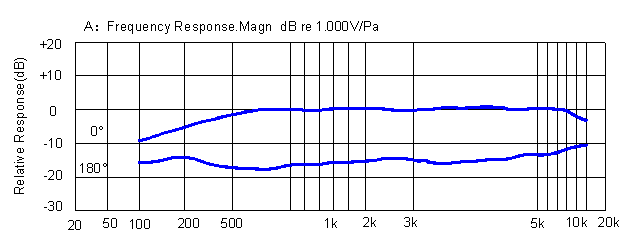
4. Frequency Response
A relatively flat frequency response helps achieve natural sound reproduction. The shape of the response curve affects tonal balance. Reference should be made to published typical frequency response graphs to understand how the capsule handles different frequencies relevant to speech (primarily 100 Hz – 8 kHz) and music.
5. Electrical Characteristics
- Operating Voltage Range: Wide voltage range (e.g., 1.0V to 10.0V DC) provides flexibility for integration into different preamplifier or phantom power circuits.
- Current Consumption: Low power consumption (typically below 500μA) benefits battery-powered wireless systems.
- Impedance: Specified as a maximum value (e.g., 680Ω), requiring appropriate matching with the input impedance of subsequent amplification stages.
Reliability and Environmental Adaptability Considerations
Fixed-installation microphones require long-term stability. Key environmental tests include:
- Temperature Testing: High and low temperature storage and operation tests (e.g., +80°C to -40°C), verifying performance under different seasonal climates.
- Humidity and Heat Testing: High humidity and temperature environment testing (e.g., 85% RH), evaluating moisture resistance performance.
- Thermal Shock and Vibration Testing: Simulating stress during transportation, installation, or mechanical vibration environments.
Post-test sensitivity deviation typically requires not exceeding ±3dB of initial values to ensure long-term performance stability.
Application Scenario Analysis: Typical Case Study
To illustrate how these parameters work together, let’s analyze a representative product suitable for professional audio integration: Unidirectional Electret Microphone Element for Gooseneck Microphones.
Representative Specification Parameters
- Type: Electret Condenser Microphone Capsule
- Polar Pattern: Unidirectional (Cardioid)
- Sensitivity: -38 ±2 dB
- Signal-to-Noise Ratio: 70 dB (Typical, A-weighted)
- Maximum Sound Pressure Level: 110 dB (THD≤3%)
- Operating Voltage: 1.0 – 10.0 VDC
- Current Consumption: 500 μA (Maximum)
- Reliability Testing: Passed complete environmental test suite (High/Low Temperature, Humidity, Thermal Shock, Vibration, Drop)
Church Application Suitability Analysis
This specification configuration indicates the component is suitable for:
- Podium/Gooseneck Microphones: Good sensitivity and SNR ensure clear voice pickup. Wide voltage range supports flexible circuit design.
- Choir/Area Pickup Microphones: High maximum SPL can accommodate music passages with large dynamic range. Cardioid pattern helps focus sound sources.
- Fixed Installation Applications: Passed environmental tests demonstrate long-term use reliability under variable climate conditions.
Integration Considerations
Proper soldering handling (temperature control, static grounding) and precise mechanical design (aperture and height tolerances) are crucial for maintaining the capsule’s specified performance and lifespan in the final product.
Conclusion
Selecting appropriate microphone capsules requires balancing technical specifications with practical application needs. By focusing on core parameters such as polar pattern, sensitivity, noise performance, dynamic range, and reliability, audio integrators and manufacturers can make informed decisions for church applications, thereby enhancing speech clarity, music fidelity, and system durability.
For audio product designers and manufacturers, selecting the right microphone capsule is critical. Components meeting the specifications discussed, such as the Unidirectional Electret Microphone Element, provide a proven foundation for church audio applications. Complete technical documentation, including detailed datasheets and application notes, is available for engineering review.