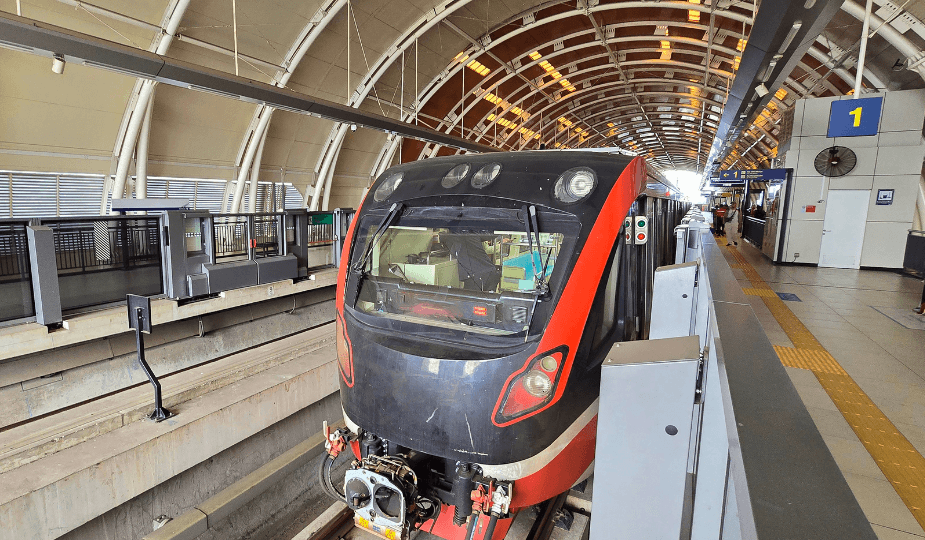
Railway platforms are demanding environments for electronic monitoring equipment. Lighting systems, power equipment, communication systems, and other electrical infrastructure can create electromagnetic interference, while outdoor or semi-open platforms may experience significant temperature and humidity changes.
For platform-mounted acoustic alert sensors, the microphone capsule needs to provide a stable input for detecting relevant sound events over extended operating periods. Unlike passenger-facing audio equipment, these sensors may be designed to monitor sudden abnormal sounds and activity within the voice frequency range rather than reproduce audio for listening.
Managing Electromagnetic Interference
Electromagnetic interference is an important consideration when integrating microphones into railway platform monitoring equipment. Nearby electrical systems and switching devices can introduce unwanted noise into the microphone signal chain.
An EMI-resistant design should therefore consider the microphone capsule together with the preamplifier, PCB layout, grounding, shielding, cable routing, and power supply. The capsule’s electrical characteristics and construction also need to be compatible with the overall circuit design.
For OEM projects, interference resistance should be verified in the complete sensor under representative installation and operating conditions. A microphone capsule alone cannot guarantee the EMI performance of the finished device.
Stable Operation Across Temperature Changes
Platform monitoring equipment may be installed in open-air or semi-open environments where temperatures change between day and night. The microphone must maintain suitable electrical and acoustic performance across the intended operating range.
When selecting an ECM for this application, manufacturers should evaluate sensitivity variation, frequency response, and electrical stability under the specified temperature conditions. The required temperature range should be defined according to the actual platform location and sensor enclosure.
Dust and Moisture Protection
Dust, humidity, condensation, and airborne contaminants can affect equipment installed in railway environments. These factors should be considered when selecting the microphone capsule and designing the acoustic inlet.
Protective membranes, enclosure geometry, sealing methods, and drainage arrangements may all influence the final environmental performance. However, adding protection can also affect acoustic sensitivity and frequency response, so the complete assembly should be evaluated rather than relying on the capsule specification alone.
Capturing Sudden Sounds and Voice-Frequency Signals
Platform acoustic alert systems may need to monitor sudden abnormal sounds as well as signals within the human voice frequency range. The microphone response should therefore match the sound events that the sensor is designed to detect.
Frequency-response requirements, sensitivity, overload capability, microphone placement, and background noise all influence the quality of the captured signal. If the system needs to identify specific sound events, the microphone provides the acoustic input; event classification and alert decisions are handled by the sensor’s signal-processing hardware or software.
Designed for Continuous 24/7 Operation
Railway platform monitoring sensors may operate continuously, including during periods when direct maintenance access is limited. Long-term stability is therefore an important consideration in component selection.
Consistent microphone sensitivity and reliable electrical performance help reduce unwanted variation in the input signal over time. Production consistency is also important when multiple sensors are installed across different platform locations and need to operate under comparable conditions.
Key ECM Selection Considerations
For a platform-mounted acoustic alert sensor, OEM manufacturers should evaluate the following parameters together:
- EMI compatibility with the complete sensor circuit and installation
- Operating temperature range suitable for the platform environment
- Dust and moisture protection requirements
- Frequency response optimized for sudden sounds and voice-frequency signals
- Stable sensitivity during continuous operation
- Consistent performance across production batches
- Compatibility with the sensor’s enclosure, PCB, and power supply
The final requirements should be confirmed through system-level testing. Where railway-specific environmental or electromagnetic compatibility standards apply, the finished equipment must be evaluated against the relevant requirements.
ECMIC Support for Railway Acoustic Sensor Projects
ECMIC supplies electret condenser microphone capsules for OEM and ODM applications. For railway platform acoustic monitoring projects, microphone selection can be evaluated according to the target sound range, environmental conditions, EMI requirements, electrical configuration, and production needs.
For volume projects, the capsule specification should be aligned with the complete sensor design and validated in the intended operating environment. Smaller quantities may also be considered for project evaluation, depending on the specification and development stage.
If you are developing a platform-mounted acoustic alert sensor for railway or metro infrastructure, contact ECMIC with your operating conditions, target frequency range, and electrical requirements to discuss a suitable microphone capsule.